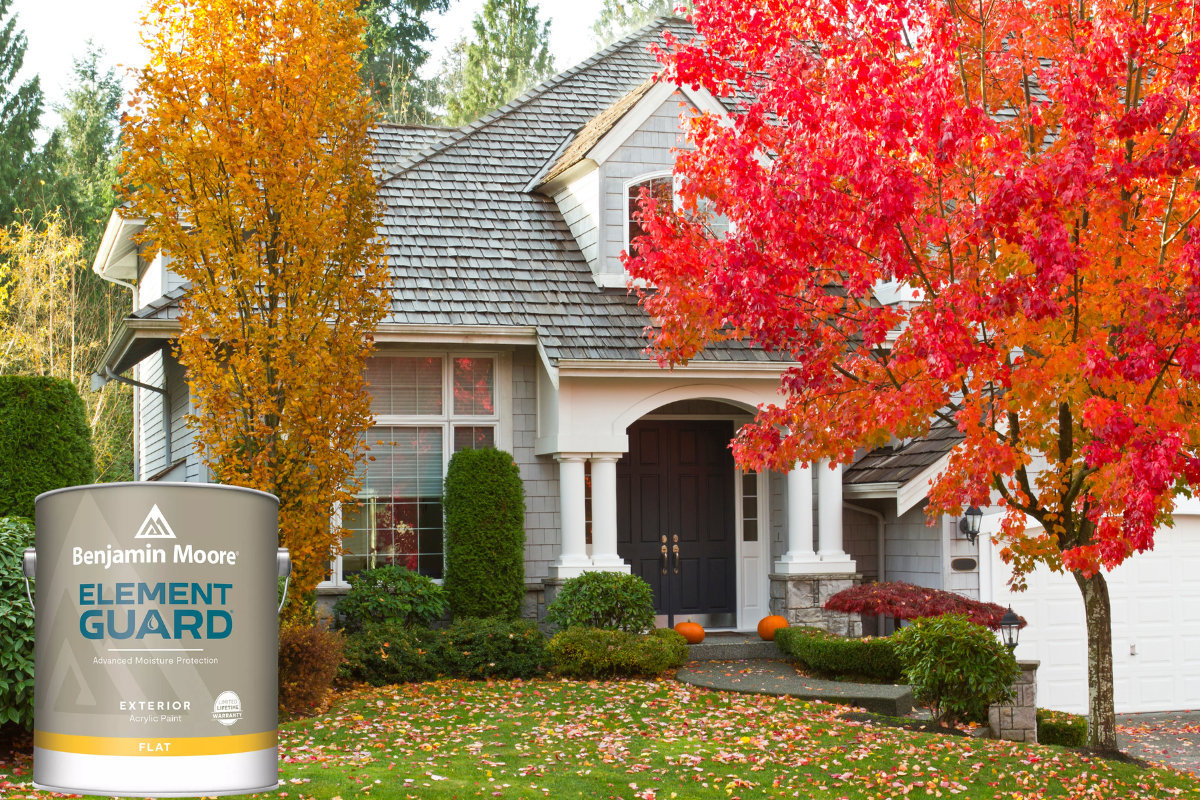
As professional painters and contractors know, fall can be one of the most important times of year to inspect a home’s exterior. Fall Exterior Painting Projects to Complete Before Winter are not just about improving curb appeal. They also protect siding, trim, doors, decks, and other exposed surfaces before freezing temperatures, snow, ice, and seasonal moisture make exterior work more difficult.
The goal is not to repaint everything before winter. The goal is to identify areas that are starting to fail, complete projects that can still be handled safely in suitable weather, and prevent minor exterior issues from becoming more expensive repairs by spring.
At Kucker Haney Paint, homeowners and professional painters can find Benjamin Moore exterior paints, stains, primers, caulk, brushes, rollers, prep supplies, and other materials needed for fall exterior maintenance.
What Exterior Areas Should You Inspect Before Winter?
A professional exterior inspection should go beyond standing at the curb and looking at the front of the house.
Walk around the entire property and look closely at every elevation. Sun exposure, wind, shade, drainage, and moisture can affect each side of a home differently.
Pay attention to:
- Peeling or flaking paint
- Cracked or blistering coatings
- Bare wood
- Faded siding
- Open joints
- Failed caulk
- Water staining
- Soft or deteriorated wood
- Rust on metal surfaces
- Worn deck or porch finishes
From a contractor’s perspective, this inspection is often where the real job begins. Painting over a failing surface without addressing the cause usually leads to another failure.
Should You Paint Exterior Siding in the Fall?
Exterior siding is one of the first areas homeowners should inspect because it takes the most direct exposure from sun, rain, wind, and temperature changes.
If paint is peeling, cracking, or exposing the substrate underneath, it may be worth addressing before winter if weather conditions still allow proper application and curing.
The preparation process matters just as much as the paint itself.
Before repainting siding, a professional painter will typically:
- Clean dirt, mildew, and surface contamination
- Scrape loose coatings
- Sand rough edges
- Repair damaged areas
- Prime bare spots when necessary
- Recaulk failed joints
- Confirm the surface is dry
A fresh finish performs better on a properly prepared surface, not over dirt, moisture, or loose paint.
For exterior siding projects, Benjamin Moore products such as Regal Select Exterior, Aura Exterior, and Element Guard Exterior Paint provide options for different project needs and conditions.
Why Should You Check Trim, Fascia, and Soffits Before Winter?
Trim is easy to overlook because it covers less square footage than siding, but it often shows deterioration first.
Window trim, fascia boards, soffits, porch posts, and decorative woodwork can be especially vulnerable around joints, roof lines, and areas where water collects.
A painter or contractor should inspect:
- Window and door trim
- Fascia
- Soffits
- Porch columns
- Railings
- Decorative molding
- Exterior wood details
Small areas of peeling paint or failed caulk may not seem urgent, but once bare wood is exposed to repeated moisture and freeze-thaw cycles, deterioration can accelerate.
Touching up trim or repainting vulnerable areas before winter can help protect the wood while also giving the home a cleaner, more maintained appearance.
Is Fall a Good Time to Paint a Front Door?
A front door is one of the most manageable fall painting projects and one of the easiest ways to make a noticeable exterior update.
Inspect front doors, side doors, garage service doors, and other exterior entrances for:
- Fading
- Scratches
- Worn edges
- Peeling paint
- Cracking
- Moisture damage near the bottom edge
Before painting, remove or protect hardware, clean the surface, sand as needed, and use the appropriate primer and finish for the door material.
Benjamin Moore Aura Grand Entrance is designed specifically for doors and trim and can create a durable, polished finish.
Fall is also a good time to rethink the front door color. A rich navy, deep green, charcoal, or classic black can give the entire exterior a fresh look without repainting the whole house.
Should You Repair Peeling Paint Before Winter?
Yes. Peeling paint is more than a cosmetic issue.
When the coating loses adhesion, the surface underneath becomes more exposed to moisture, sunlight, and weather. On wood siding and trim, that can eventually lead to cracking, swelling, decay, or more extensive repair work.
Before covering peeling paint, determine why it failed.
Possible causes include:
- Moisture getting behind the coating
- Failed caulking
- Poor surface preparation
- Aging paint
- Incompatible coatings
- Water runoff from gutters or roof lines
- Poor drainage
- Painting over damp surfaces
From a contractor’s perspective, this is important. Repainting without correcting the underlying issue often means the same problem will return.
Can You Still Paint or Stain a Deck in the Fall?
Decks and porches take a lot of abuse during the summer.
Sunlight, rain, foot traffic, furniture, food spills, dirt, and humidity all contribute to wear. By early fall, fading and worn traffic areas are often more noticeable.
Check for:
- Exposed wood
- Faded stain
- Worn walking surfaces
- Cracked boards
- Loose railings
- Peeling coatings
- Areas where water is no longer beading
Before refinishing, properly clean the surface and allow it to dry.
Kucker Haney Paint carries Benjamin Moore Woodluxe exterior stains and wood care products, which provide options for decks, porches, railings, and other exterior wood surfaces.
The exact stain choice should depend on the age of the wood, existing finish, desired opacity, and condition of the surface.
What Exterior Wood Should Be Protected Before Winter?
Decks are not the only exterior wood surfaces that should be checked.
Fall is a good time to inspect:
- Porch railings
- Wood steps
- Pergolas
- Fences
- Decorative beams
- Wood shutters
- Exterior columns
- Garden structures
Any area with exposed or weathered wood deserves attention.
If water is soaking into bare wood instead of being repelled by a finish, the surface may need cleaning, staining, sealing, or repainting before another winter.
Should Garages and Sheds Be Included in Fall Painting Projects?
Absolutely. Detached garages, sheds, workshops, and other outbuildings often receive less maintenance than the main home, even though they face the same weather.
Inspect:
- Garage siding
- Garage doors
- Service doors
- Trim
- Fascia
- Shed siding
- Wood doors
- Window trim
A worn or faded outbuilding can also affect the property’s overall appearance.
For contractors, fall can be a good time to group these smaller exterior projects with maintenance work on the main house.
Why Is Caulking Important Before Winter?
Caulk is one of the least expensive materials on an exterior painting job, but it plays an important role in protecting the building envelope.
Look for gaps around:
- Windows
- Exterior doors
- Trim
- Siding transitions
- Penetrations
- Utility openings
- Decorative molding
Cracked or missing caulk can allow water and cold air into areas where they do not belong.
A professional painter should remove loose or failed caulk rather than simply applying new material over the top.
Once the joint is clean and properly prepared, use an exterior-grade, paintable caulk compatible with the surrounding materials.
How Do You Know if the Weather Is Still Good Enough for Exterior Painting?
Fall painting is not determined by the calendar alone.
Professional painters pay attention to:
- Air temperature
- Surface temperature
- Overnight lows
- Humidity
- Rain
- Dew
- Wind
- Direct sunlight
- Drying and curing time
A warm afternoon does not automatically mean it is a good painting day.
The coating needs enough time to dry and cure before temperatures drop or moisture settles on the surface overnight.
Always follow the application requirements listed for the specific Benjamin Moore product being used.
As fall progresses, contractors may need to shorten workdays, reorder projects, or postpone certain surfaces until spring.
What Smaller Exterior Painting Projects Are Good for Fall?
Not every fall project needs to involve an entire house.
Smaller projects can make a noticeable difference and are often easier to complete before temperatures drop.
Consider repainting:
- Front doors
- Shutters
- Porch columns
- Mailboxes
- Garage doors
- Exterior benches
- Railings
- Decorative trim
- Small sheds
- Window boxes
These projects can improve curb appeal while addressing surfaces that may be starting to weather.
What Supplies Should Contractors Have Ready for Fall Exterior Work?
Fall exterior projects often involve more prep and repair than homeowners expect.
A well-stocked job should include:
- Exterior paint or stain
- Primer
- Exterior caulk
- Scrapers
- Sandpaper and sanding sponges
- Wire brushes
- Quality brushes
- Roller covers
- Extension poles
- Drop cloths
- Masking supplies
- Cleaning products
- Ladders and safety equipment
Kucker Haney Paint carries Benjamin Moore coatings along with professional-quality brushes, rollers, tools, sundries, and prep supplies for both homeowners and contractors.
Which Projects Should Wait Until Spring?
At some point, rushing to complete an exterior project is worse than waiting.
If the surface is wet, temperatures are outside the coating’s recommended range, or the forecast does not provide enough drying time, postpone the project.
Projects that require significant carpentry repair, extensive scraping, or large amounts of bare wood may also be better scheduled for spring if cold weather is already approaching.
Professional painting is not about getting paint on the surface as quickly as possible. It is about creating a finish that lasts.
Complete Exterior Maintenance Before Winter Arrives
Fall is one of the best times to take a close look at the condition of your home’s exterior.
Inspect siding, trim, doors, decks, railings, garages, and other exposed surfaces before winter weather arrives. Addressing peeling paint, worn stain, failed caulk, and exposed wood now can help protect the property and reduce the amount of repair work needed next spring.
The most important part of any fall exterior painting project is knowing what to repair, what you can still paint safely, and what should wait for better conditions.
Visit Kucker Haney Paint in Princeton, East Windsor, or Hamilton for Benjamin Moore exterior paint, Woodluxe stain, primers, professional painting supplies, and expert help selecting the right products for your fall projects.
Whether you are a homeowner preparing your property for winter or a professional painter finishing the season’s exterior work, the right preparation and materials can make a significant difference in how well the finish performs through the colder months.